
Walking through the ancient Roman roads Route: via Aretina Rimini - Secchiano
There are roads that serve not only to arrive. They serve to remember.
The Via Aretina is one of them: an ancient axis that runs from Rimini into the Marecchia Valley, following water, hills and time.
This itinerary accompanies the traveller along some essential stages, to be experienced slowly, leaving space to stop, to look, to listen.
Duration: 1 day
Km: 67
Means of transport: car
First stop Porta Montanara, the journey begins where the city ends
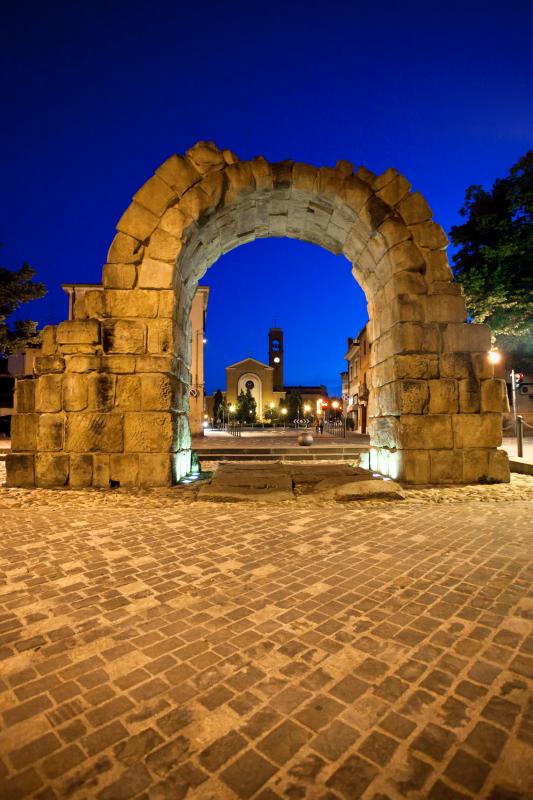
At the end of Via Garibaldi, Porta Montanara opens like a threshold to the past. Once there were twin arches marking the exit towards the hill; today only one remains, silent witness to an ancient traffic of merchants, soldiers, pilgrims.
Dating back to the 1st century B.C., the gate was part of an articulated defensive system. This was the starting point of the road that, running along the Marecchia River, led towards the Apennines and as far as Arezzo. Beneath the visitor's feet lies one of the city's most ancient chapters: Rimini's first Roman necropolis, the finds from which are now housed in the City Museum.
Second stop The Hill of Covignano, water and the sacred
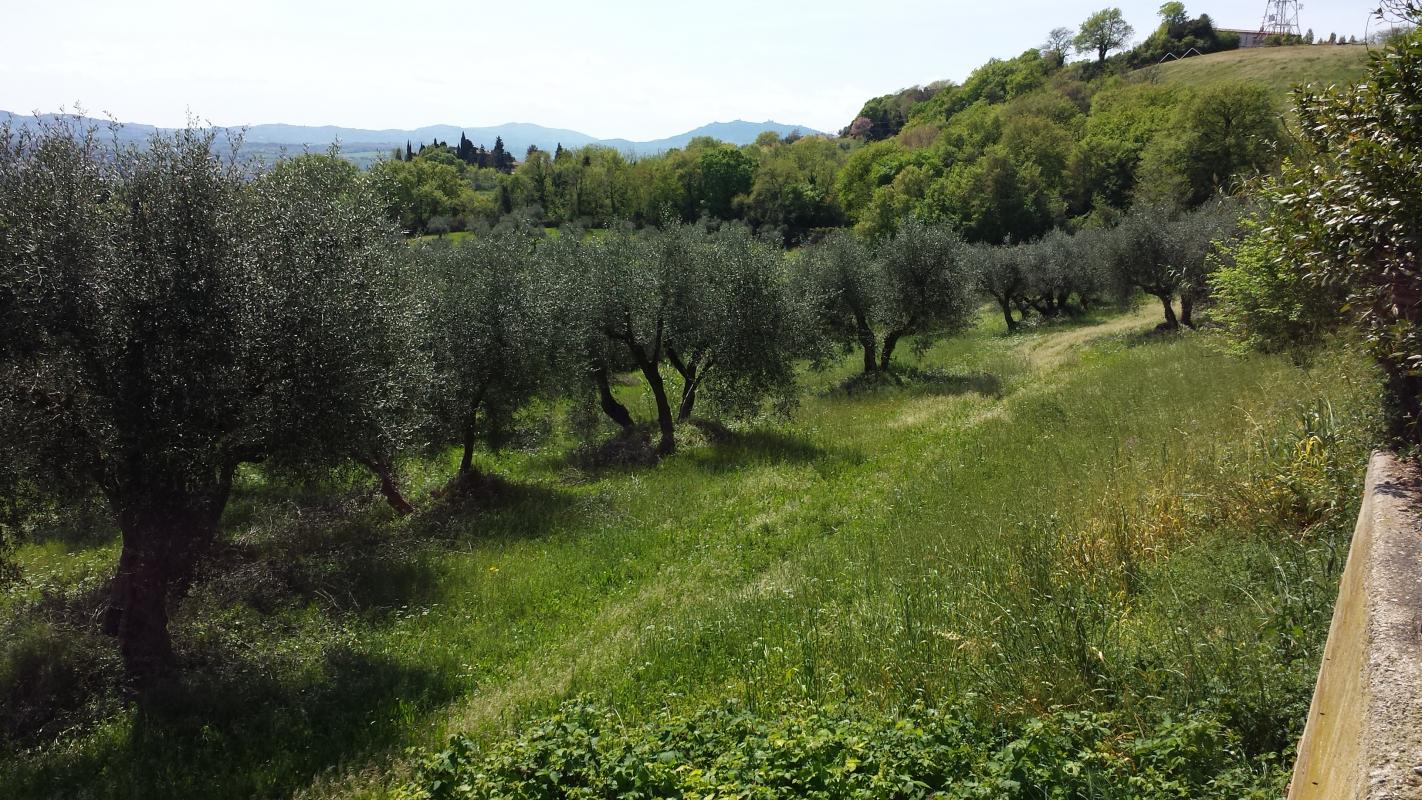
Leaving the city, the road climbs gently towards the hill of Covignano, a place inhabited and venerated since the early Iron Age.
Here, water springs from the earth and has always been considered special. The springs that still feed the Galvanina spring were probably considered sacred, perhaps curative.
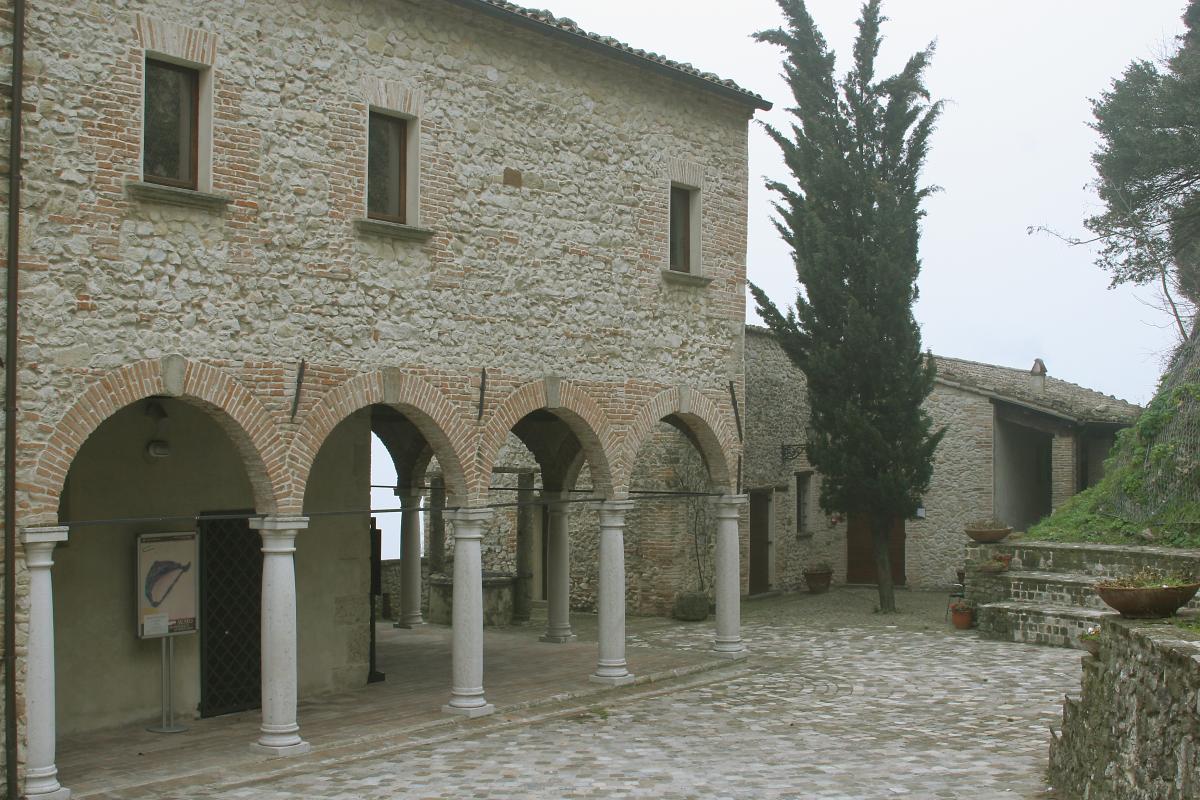
At the top of the hill, the Pieve di San Lorenzo in Monte dominates the landscape. Its stones tell of centuries of stratifications: faith, community, passages. The recent restoration of the façade gives visitors back a place dear to the people of Rimini, now once again legible and welcoming.
Third stop Verucchio - Villanovan Archaeological Museum, before the Romans
Continuing along the Marecchia Valley, one reaches Verucchio, long before Rome imposed its order.
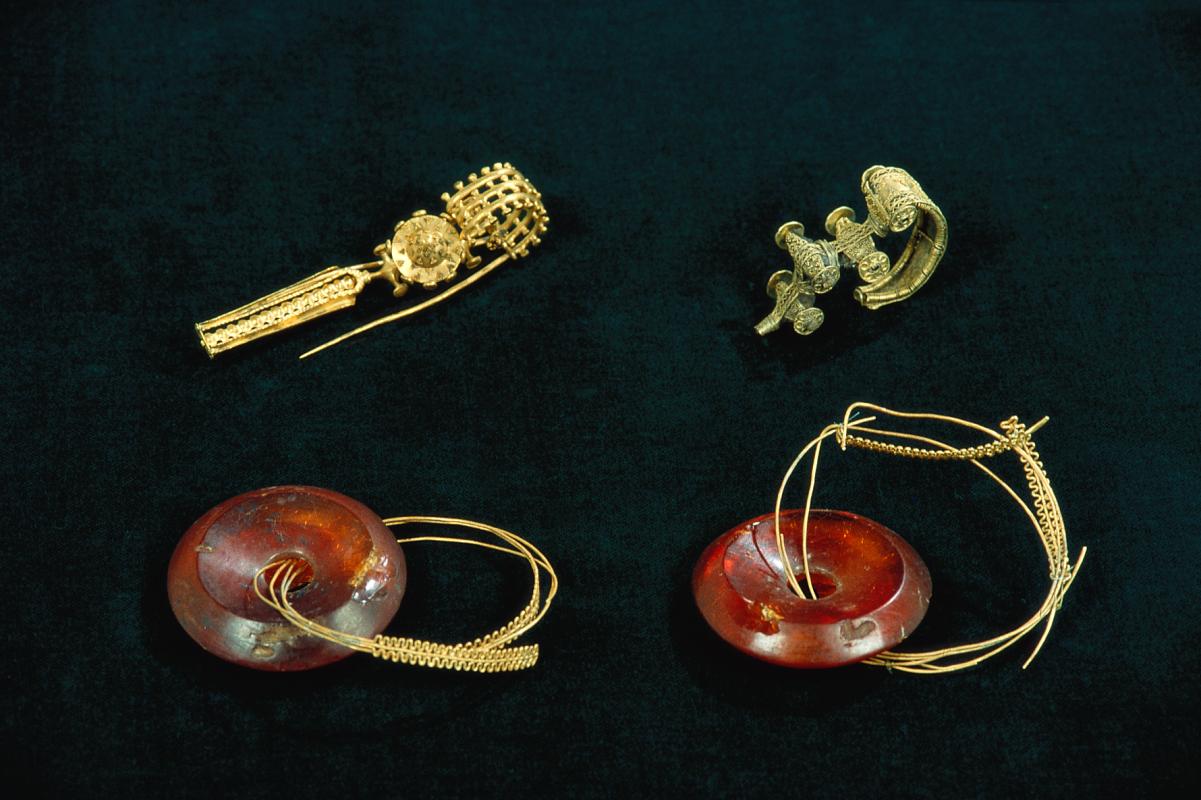
Here the municipal archaeological museum takes the visitor deep into the early Iron Age (9th-7th centuries B.C.), when Verucchio was a strategic power centre between the Adriatic and Tyrrhenian seas.
The furnishings of the Villanovan necropolises - weapons, gold and amber jewellery, chariot elements, extraordinary wooden furnishings - tell of a complex, refined society, already fully inserted in the great Mediterranean exchange networks.
Visiting the museum before entering the village changes the view: Verucchio no longer appears as a simple perched village, but as a place of control, of passage, of vision.
Fourth stop Novafeltria, the valley node
The road follows the river, crosses the valley floor and reaches Novafeltria.
Just before Secchiano, the Pieve di Santa Maria in Vico welcomes the traveller with a mystery etched in stone. Numerous Roman inscriptions - sacred and funerary - have been found here, suggesting an important religious site and, in all probability, a post station along the Via Arretina.
A strategic crossing point near the river, where pilgrims, merchants and soldiers would stop before resuming their journey to the interior of the peninsula.
It is the ideal place to end the itinerary. Not with an answer, but with an awareness: the roads do not disappear, they change shape. And they continue to tell.
Tips for true professionals
Treat yourself to a slow pace
This itinerary is perfect to be experienced without haste. Plan a few stops a day and take advantage of the cafés, squares and viewpoints along the way: an extra stop makes the journey more enjoyable and allows you to really savour the places.
Start with cultural visits
If possible, visit museums and parish churches before exploring the villages. In Verucchio, for example, the archaeological museum helps to better understand the area and makes the walk through the historic centre even more interesting.
Follow the river and enjoy the landscape
The road that follows the Marecchia offers green views, fresh air and stretches ideal for a walk or a photo stop. Keep your car or bike close to the river when you can: the journey becomes part of the experience, not just the means of arrival.