
Street art between the sea and the hills a journey in colour along the Rimini Riviera
Who said you need museums to see art?
In the Rimini Riviera all you have to do is look up: art is on the walls, in the alleys and even in the subways. An open-air museum that tells the story of contemporary Romagna in the language of colours and imagination.
This itinerary takes you in three stages — Bellaria, Borgo San Giuliano and Saludecio — from the sea to the hills, to discover a different, lively and creative Riviera.
First stop Bellaria: the sea and the colours of rebirth
Once a fishing village, today Bellaria is an open-air workshop of creativity.
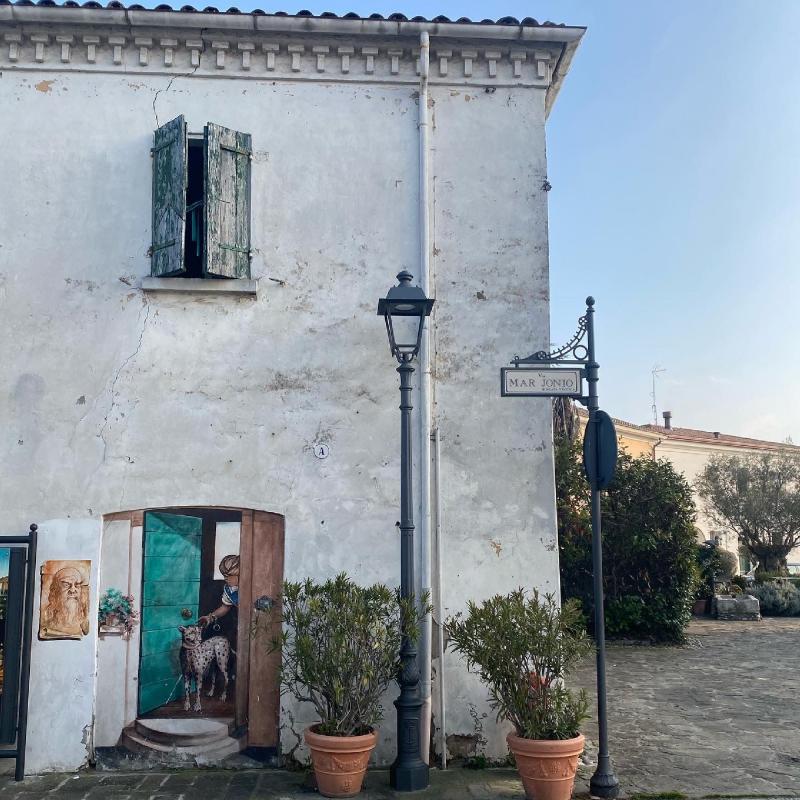
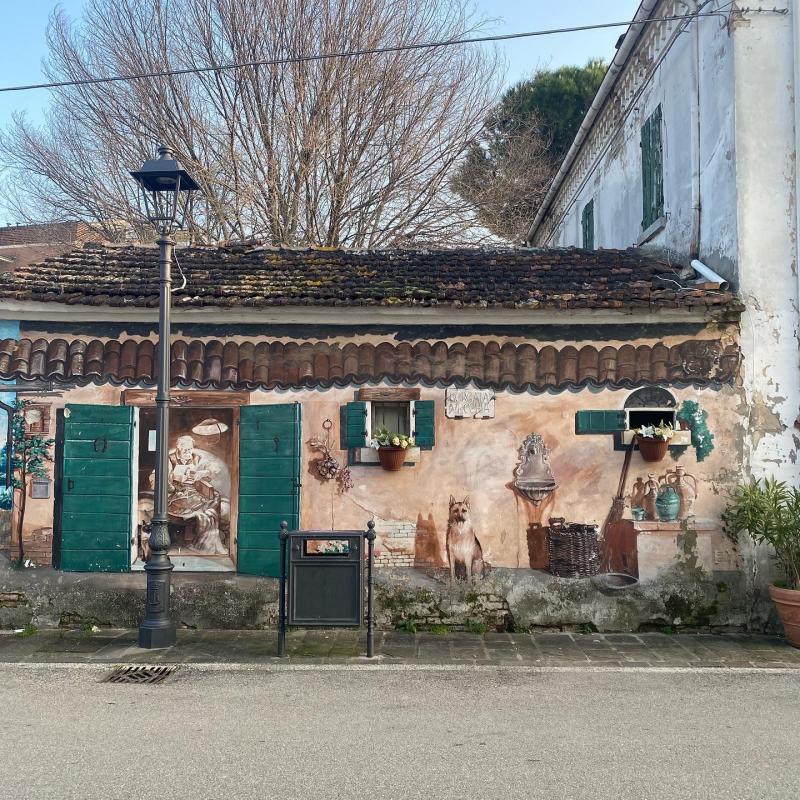
Since 1994, the Borgata Vecchia has been filled with murals depicting the sea and everyday life, up to the works of the Bim Street Art Festival, which each year offers new faces and painted walls.
Must-see:
- the subway of Via Uso (Ermes Bichi and Andrea Casciu);
- the Enel tower in Via Salemi (Common Place)
- the underpass of via Ravenna, 85 (Lume) and via Ravenna, 75 Words to the Future by Alessandro Pixa - Centro Giovani kas8
- Istituto Compernsivo Panzini (Paolo Psiko - Aliare) via Parenzo, 24
Don't miss the large mural “Effects of unconscious action” by Gola Hundun, dedicated to the sea and respect for nature, created in 2020 on the facade of the Palazzo del Turismo.
Second stop Borgo San Giuliano: the Fellini soul of Rimini
Cross the Ponte di Tiberio and enter the village that pays homage to the genius of Federico Fellini.
Here every wall is a film scene: faces, dreams and fragments that take you back to the director's Rimini.
Founded in the 1980s to give new life to the houses of the borough, today San Giuliano is a meeting place, among taverns and auteur murals such as the one by Agim Sulaj and the “Fellini's grandfather” by Kiril Cholakov.
Third stop Saludecio: the painted village of inventions
In the hills of the Conca Valley, Saludecio unites history and creativity.
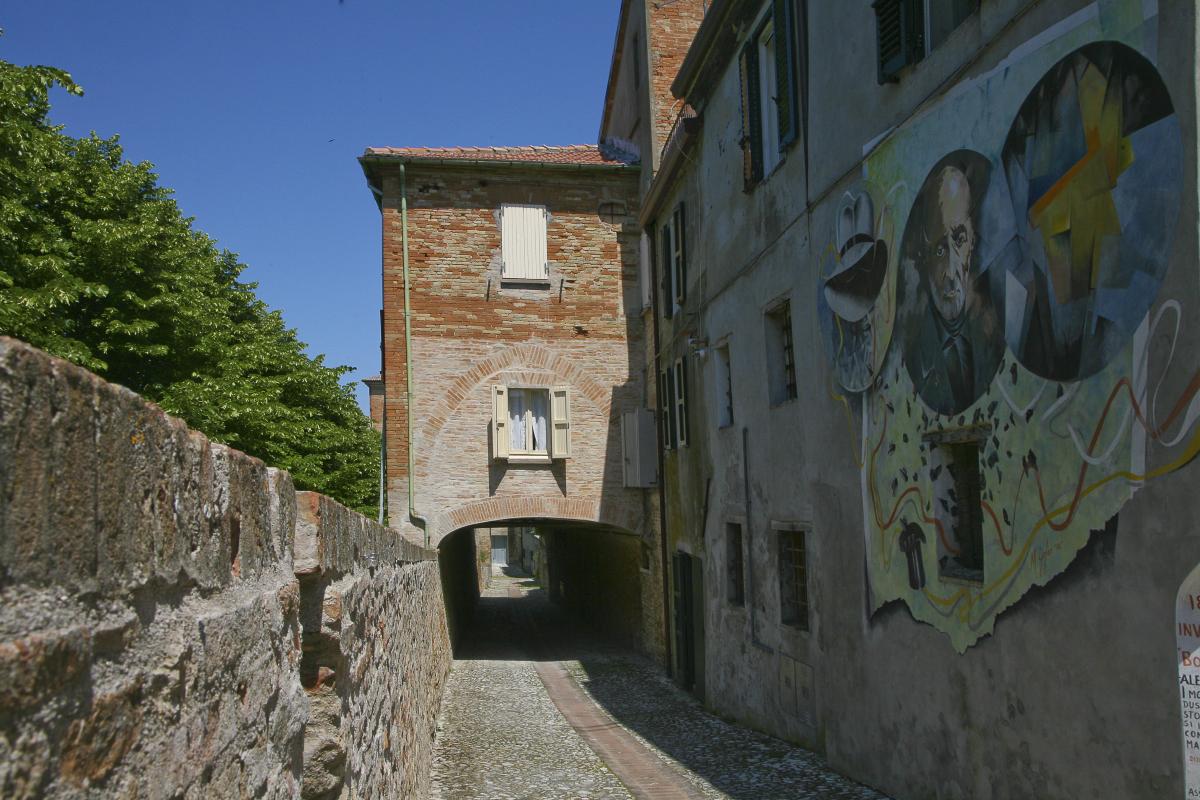
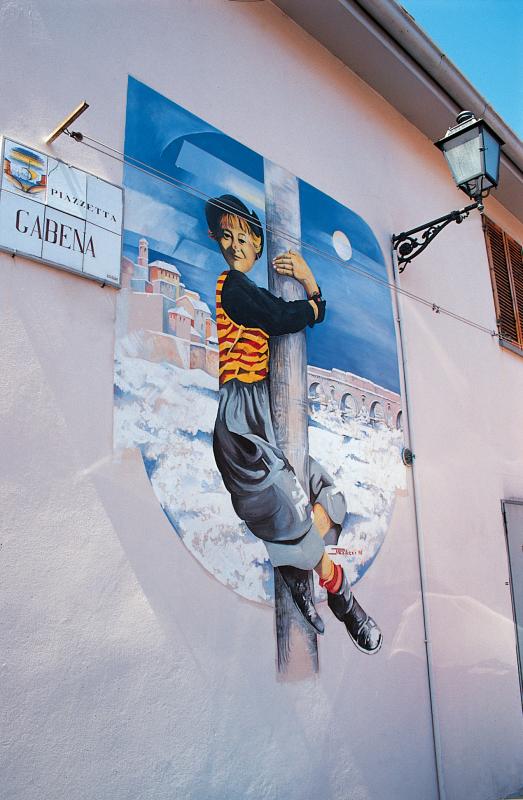
The murals created by the ARPERC group narrate the inventions of the 19th century — from cinema to photography, from pizza margherita to razor blades — with irony and lightness.
There is no map: here discovery is part of the game.
Today the village is a member of the Italian Association of Painted Villages and a popular destination for photographers and travellers.
A few tips for your street art tour
- Early start: morning light è perfect for taking pictures.
- Comfortable shoes and free time: beauty is not in a hurry.
- Stop, observe, be surprised.